Restless legs in menopause and perimenopause: why it happens and what helps
By Softer Mind · Updated 15 October 2026 · 8 min read · Based on NHS guidance and published research
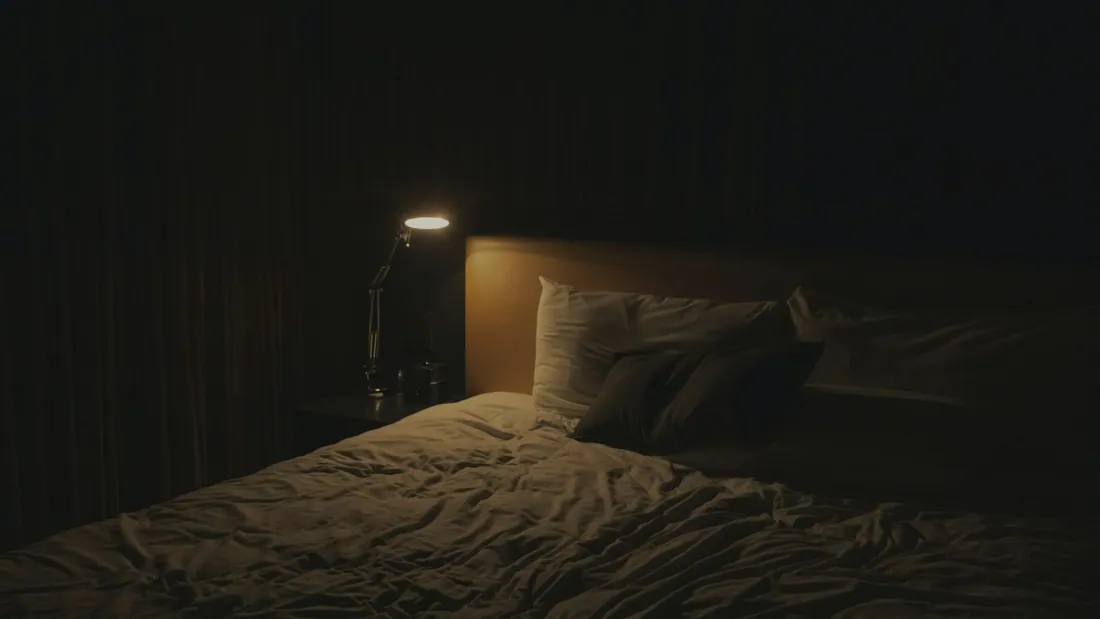
You finally sit down in the evening, or settle into bed, and your legs won't keep still. There's a creeping, fizzing or aching feeling deep inside them. Moving them helps for a moment. Then it starts again, and sleep feels a long way off.
If this has started or got worse in your 40s or 50s, you may be wondering about restless legs and menopause. There does seem to be a link. Women's Health Concern, the patient arm of the British Menopause Society, says restless legs syndrome is more common after menopause. The British Menopause Society says restless legs increase at the time of menopause.
So yes, perimenopause restless legs are real, and you're not imagining them. One of the most useful first steps is a simple blood test to check your iron. This page also covers night-time leg cramps, which feel different and have different causes.
See a GP urgently or call 999 if:
- Call 999 or go to A&E if you have pain and swelling in one leg and you also feel short of breath or have chest pain. Don't drive yourself.
- Ask for an urgent GP appointment or call 111 if you have throbbing pain in one leg (usually the calf or thigh), swelling in one leg, or red, blue or darkened skin around the sore area. These can be signs of a blood clot called a deep vein thrombosis (DVT).
- See your GP if restless legs are stopping you sleeping, and ask them to check your iron levels.
What does restless legs syndrome feel like?
The NHS describes restless legs syndrome as a strong urge to move your legs. It often comes with uncomfortable feelings such as:
- tingling, throbbing or itching
- sometimes pain
- in some people, the same feelings in other parts of the body, such as the arms
The NHS says it's usually worse at night and can affect your sleep. The British Menopause Society describes the feelings as creeping, crawling, tingling, cramping or aching. They're usually worse in the evening, and moving eases them for a while.
Restless legs or leg cramps?
People often mix these up. They're different things, and they need different help.
| Restless legs | Leg cramps | |
|---|---|---|
| What it feels like | An urge to move, with crawling, tingling or aching | A muscle suddenly tightens, with sharp pain |
| How long it lasts | Comes and goes while you're still. Moving eases it for a while | A few seconds to 10 minutes. The muscle can stay sore for up to 24 hours |
| Where | The legs, sometimes the arms | Usually the calf, sometimes the feet or thighs |
| What helps in the moment | Walking, stretching or massaging your legs | Stretching and massaging the muscle, then standing and putting weight on that leg |
This comes from the NHS pages on restless legs and leg cramps.
Can menopause cause restless legs?
It seems to make them more likely, but nobody knows exactly why. Here's what we do know.
It's more common in women. A 2020 review says restless legs syndrome is almost twice as common in women as in men. The BMS says it affects between 5 and 10% of people in the UK, US and Europe. It's a little more common in women and rises after menopause, though estimates vary.
Changing oestrogen may play a part. The same review says menopause seems to make symptoms more common and more severe. It suggests that changes in oestrogen, rather than the level itself, may set symptoms off. This is a theory, not a proven cause.
Iron matters. The NHS says restless legs are thought to be linked to low iron and to dopamine, a chemical in the brain. The 2020 review points out that, until menopause, women's iron stores are always lower than men's because of monthly bleeding. If your periods have been heavy, tell your GP.
Sleep gets more broken. The review also says jerky leg movements during sleep become more common at menopause, and are linked to hot flushes. The BMS lists restless legs as one of several reasons for broken sleep at this stage of life, alongside night sweats, mood changes and needing the loo.
HRT doesn't seem to be the cause. The 2020 review found no clear link between taking HRT and restless legs.
Menopause leg cramps: is there a link?
Honestly, the evidence is thin. Leg cramps aren't on the NHS list of menopause symptoms, although "muscle aches and joint pains" are. We couldn't find good research linking perimenopause leg cramps to hormones.
The NHS says leg cramps can be caused by:
- getting older
- straining a muscle during exercise, which can be worse in hot weather
- some medicines, such as statins (for cholesterol) and diuretics, or "water tablets" (for high blood pressure)
- not drinking enough fluids
- liver disease linked to heavy drinking
The NHS adds that sometimes there's no known reason. So if cramps start in midlife, it's worth looking at all of these, not just your hormones.
What else could be causing restless legs?
Please don't assume it's just the menopause. The NHS lists other causes and links:
- Low iron, including iron deficiency anaemia
- Kidney disease. The BMS says doctors should check your kidneys as well as your iron.
- Some medicines
- Pregnancy
- A family history of restless legs
The NHS also says leg cramps and nerve damage (peripheral neuropathy) can feel similar.
RLS-UK, the restless legs charity, lists medicines that can make symptoms worse. These include drowsy antihistamines (found in some cold, flu and allergy remedies), some anti-sickness medicines and some antidepressants. If your legs got worse after starting a new medicine, tell your GP or pharmacist. Please don't stop or change a prescribed medicine on your own.
What helps restless legs?
Things to try tonight
The NHS self-help advice includes:
- When it starts, get up and walk, stretch or massage your legs. Or distract yourself with a book or a puzzle.
- Before bed, have a warm bath or put heat pads on your legs.
- Cut back on caffeine. No tea, coffee or energy drinks after midday.
- Go easy on alcohol, and avoid it in the 2 hours before bed.
- Keep a routine. Go to bed and get up at the same time each day, and avoid daytime naps.
- Keep your bedroom dark and quiet, and put your phone and tablet away before bed.
- Move in the day, but avoid big meals and hard exercise late at night.
- Get help to stop smoking if you smoke.
If cramps wake you
The NHS suggests a calf stretch, done 3 times a day with the last one just before bed:
- Stand facing a wall with your arms out and your hands just touching it.
- Keep your feet flat and stand up straight.
- Lean forward, pressing your hands on the wall, and hold for 2 or 3 seconds.
- Stand up straight again.
- Repeat for about 5 minutes.
The NHS says this may not stop cramps completely, but it may mean you get fewer.
What can your GP offer?
It's worth booking an appointment, especially if your sleep is suffering. Things to talk about include:
- A blood test for iron. Women's Health Concern says to ask for a test of your ferritin level (your iron stores), as low iron can be a cause. The BMS says every woman with restless legs symptoms should have this checked. If your iron is low, your GP can treat it.
- A review of your medicines. The NHS says some medicines can make restless legs worse, so your GP may look at what you take.
- Prescription medicines. If restless legs are badly affecting your sleep, your days or your quality of life despite self-help, the BMS says medicines can be offered. Your GP can talk you through the options.
- A specialist referral, if things get worse or don't improve.
- Talking therapies, if restless legs are affecting your mood. The NHS says these may help.
- HRT. The BMS says HRT can improve sleep during menopause, partly by easing hot flushes and night sweats. There's no good evidence it helps restless legs themselves. It may be worth discussing if you have other menopause symptoms too.
For cramps, the NHS says a GP will examine you to look for a cause, and may suggest other options if stretches haven't helped.
When to see a GP
Book an appointment if:
- restless legs are stopping you sleeping or getting you down
- self-help hasn't made a difference
- you've never had your iron checked
- your legs got worse after starting a new medicine
- cramps are disturbing your sleep, last longer than 10 minutes, or come with numbness or swelling in your legs
And remember the warning signs at the top of this page. One swollen, painful leg needs checking the same day.
Where relaxation fits in
Restless legs tend to start when you finally sit or lie still, which is just when you're trying to sleep. If restless legs are keeping you awake at night, our hypnosis for menopause insomnia, Deep Sleep Through the Change, is a bedtime recording to help you relax and drift off. If your legs are playing up, a short walk or a stretch first may make it easier to settle. The recording won't do anything for your legs themselves, so do get your iron checked and keep talking to your GP. It's a relaxation recording, not a treatment, and it doesn't replace advice from your GP.
Related
You might also find our pages on menopause joint pain, perimenopause fatigue and tingling and crawling skin useful, or see all the perimenopause symptoms.
This page is general information, not medical advice. If you're worried about any symptom, please talk to your GP or pharmacist.

