Tinnitus and menopause: ringing in your ears, what might cause it and what helps
By Softer Mind · Updated 15 October 2026 · 7 min read · Based on NHS guidance and published research
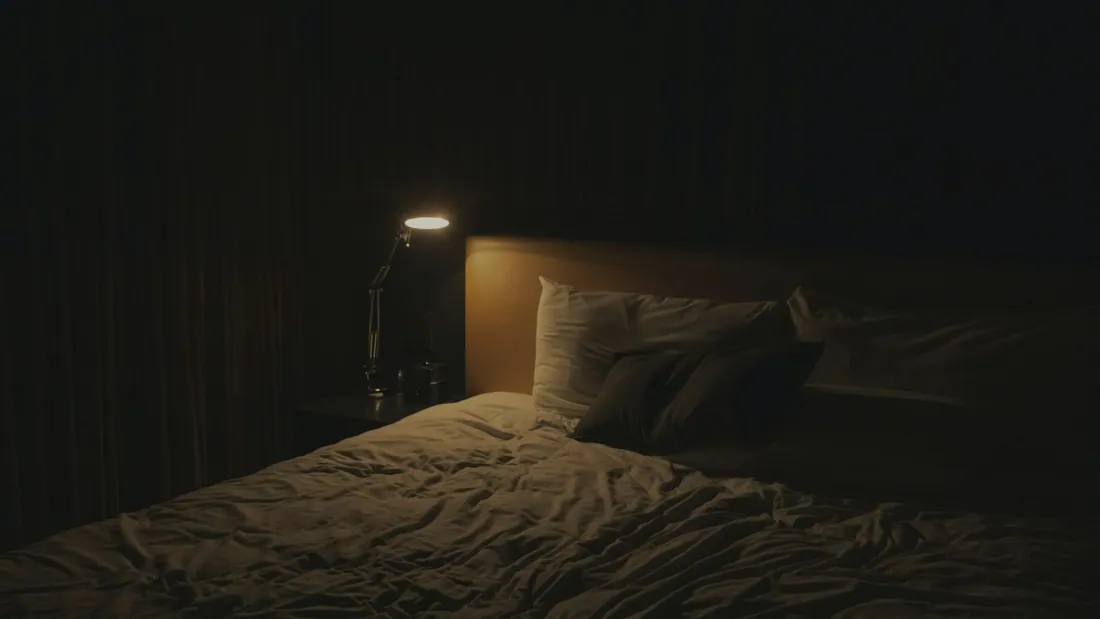
It's late, the house is quiet, and there it is: a ringing, buzzing or hissing that nobody else can hear. In the day you barely notice it. In bed, it seems to fill the room.
Tinnitus means hearing noises that don't come from outside. If it has started in your 40s or 50s, you may be wondering about a link between tinnitus and menopause. The honest answer is that there may be one, but it isn't well understood. Tinnitus UK says hormone changes may play a part, and that more research is needed.
The NHS says tinnitus is not usually a sign of anything serious, and it may get better by itself. But a few patterns need checking quickly, so please read the box below first.
See a GP urgently or call 999 if:
- Call 999 or go to A&E if your tinnitus started after a head injury, or comes with sudden hearing loss, weakness in the muscles of your face, or dizziness where the room spins (vertigo). Don't drive yourself.
- Ask for an urgent GP appointment, or contact NHS 111, if the tinnitus pulses in time with your heartbeat.
- See your GP soon if you have tinnitus all the time in one ear only.
The first two points are from the NHS tinnitus page. The last is from the hearing charity RNID.
What does tinnitus sound like?
The NHS says people describe it as:
- ringing, buzzing or humming
- hissing or whooshing
- throbbing
- music or singing
You may hear it in one ear, both ears or inside your head. It may come and go, or be there all the time. The Menopause Charity describes it as a ringing or buzzing in your ears, even when it's quiet.
Can menopause cause tinnitus?
It might, but the evidence is thin. Here's where things stand.
It isn't on every symptom list. Tinnitus isn't on the NHS list of menopause symptoms. The Menopause Charity does include it in its A to Z of symptoms. But it says tinnitus is not commonly thought of as a menopause symptom, and that it can have other causes, so it's important to get advice.
Hormones may play a part. Tinnitus UK explains that oestrogen and progesterone fall during menopause, and this may affect hearing. It says oestrogen helps to build and keep the pathways in the brain that carry sound. It mentions studies that found lower oestrogen in women with tinnitus. But it doesn't name them, and it says the link is not fully understood.
Other menopause changes can make it worse. This part is clearer. Tinnitus UK says sleep problems, anxiety and low mood, which are all common at menopause, can make tinnitus worse. Poor sleep in particular makes it harder to cope with.
Some medicines can play a part. Tinnitus UK says some medicines, such as some antidepressants and blood pressure medicines, may raise the risk. The NHS lists some antibiotics, some cancer medicines, anti-inflammatory painkillers and aspirin. If you think a medicine is involved, talk to your GP or pharmacist. Please don't stop or change a prescribed medicine on your own.
What else could be causing tinnitus?
Please don't assume it's the menopause. The NHS says the cause often isn't clear, but it's linked with:
- hearing loss
- Ménière's disease
- diabetes, thyroid problems or multiple sclerosis
- anxiety or depression
- some medicines
Your GP will also look for simple things like an ear infection or a build-up of earwax. Tinnitus UK adds loud noise, high blood pressure and problems with the jaw joint to the list of known causes.
Does HRT help tinnitus?
There's no clear answer. The research points in different directions.
- A 2018 study from Taiwan compared 13,920 women taking HRT with 41,760 women who weren't. Tinnitus was slightly less common in the HRT group: 0.43% compared with 0.59%. But this kind of study can't prove HRT made the difference. The authors also say they had no hearing test results to go on.
- Tinnitus UK, on the other hand, says some studies have linked HRT to a higher risk of tinnitus.
So HRT isn't a tinnitus treatment. If you have other menopause symptoms, such as hot flushes or poor sleep, HRT is worth talking to your GP about for those. Mention your tinnitus too, so they have the full picture.
Does menopause tinnitus go away?
We couldn't find any research that follows menopause tinnitus over time, so nobody can say for sure. The NHS says tinnitus in general may get better by itself, and that it can come and go.
If it doesn't go away, there's still a lot that can make it easier to live with. The NHS treatments further down this page aim to help you cope, and to help your brain tune the noise out.
Why is tinnitus worse at night?
Lots of people with tinnitus find nights the hardest. Tinnitus UK explains why:
- The quiet makes it stand out. Going from a noisy day to a silent bedroom makes the noise easier to notice.
- Worry keeps you awake. Noticing the noise leads to thoughts like "I'll never get to sleep". That worry makes sleep harder, and poor sleep makes the worry worse.
- It may not be what wakes you. Tinnitus UK says you're more likely to be woken by other things. But once you're awake and you notice the noise, it can keep you up for longer.
Tips for sleeping with tinnitus
Tinnitus UK's tips for a good night's sleep include:
- Use gentle background sound to take the edge off the silence, such as a fan, a radio on quietly, or the sound of rain or waves. Try a few to see what suits you.
- Unwind for at least an hour before bed.
- Write your worries down at a set time each evening, so they're not waiting for you in bed.
- Limit caffeine and nicotine, especially in the evening.
- Avoid alcohol and shop-bought sleep remedies. They can upset your normal sleep pattern.
- If you're still awake after 25 to 30 minutes, get up. Do something calm in another room, then go back to bed when you feel sleepy.
- Get up at the same time every day, even at weekends, and try not to nap.
Other things that can help
The NHS suggests ways to help you cope day to day:
- avoid total silence, as soft music or other sounds can help take your mind off it
- try not to focus on the noise, as this can make it worse. Hobbies can help
- find ways to unwind, such as deep breathing or yoga
- keep a regular bedtime routine and cut down on caffeine
- try to avoid things that set it off for you, such as stress or loud background noise
- join a support group to talk to other people with tinnitus
Tinnitus UK has a free helpline on 0800 018 0527.
What can your GP offer?
The NHS says your GP will look in your ears for things that can be treated, such as an infection or a build-up of earwax. They may check your hearing, and they can refer you to a specialist for more tests.
Things to talk about include:
- CBT (cognitive behavioural therapy). This helps you change the way you think about tinnitus. The NHS says an app or online course is usually offered first.
- Tinnitus counselling, to help you learn about tinnitus and ways to cope.
- Tinnitus retraining therapy. This uses sound to help your brain tune out the noise. The NHS says it's not clear whether it works for everyone.
- Hearing aids, if you also have some hearing loss.
- Your other menopause symptoms. If poor sleep, anxiety or low mood are part of the picture, there may be help for those too.
When to see a GP
Book an appointment if:
- you have tinnitus regularly or all the time
- it's getting worse
- it's affecting your sleep or concentration, or making you anxious or low
- it's in one ear only
- it hasn't gone away after a few days, which RNID says is a good reason to see your GP
And remember the warning signs at the top of this page. Sudden hearing loss needs help straight away.
Where relaxation fits in
Tinnitus often feels loudest in bed, when there's nothing else to listen to. If the noise is harder to ignore in a quiet bedroom at night, our hypnosis for menopause insomnia, Deep Sleep Through the Change, is a bedtime recording to help you relax and drift off. It won't do anything for the tinnitus itself, so do get your ears checked and keep talking to your GP. It's a relaxation recording, not a treatment, and it doesn't replace advice from your GP.
Related
You might also find our pages on itchy ears in menopause, menopause dizziness and perimenopause headaches useful, or see all the perimenopause symptoms.
This page is general information, not medical advice. If you're worried about any symptom, please talk to your GP or pharmacist.

